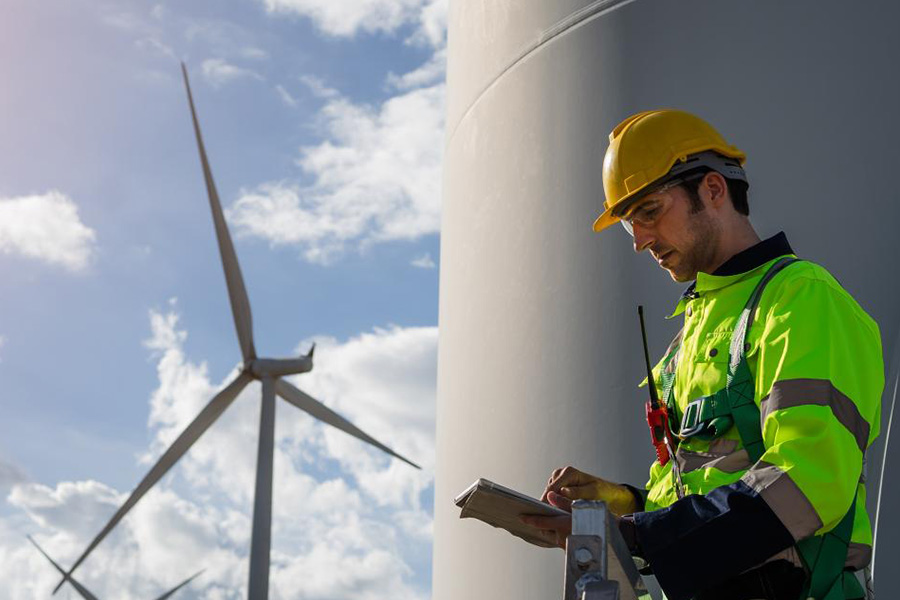
When people think about renewable energy jobs, they often picture engineers designing giant wind turbines or scientists studying climate change.
But behind every wind farm is a group of technicians who make sure those massive turbines keep spinning safely and efficiently.
These professionals are called wind turbine technicians.
What Does a Wind Turbine Technician Do?

A wind turbine technician installs, inspects, maintains and repairs wind turbines located both on land and at sea (onshore and offshore).
As the global demand for renewable energy grows, this role has quickly become one of the fastest-growing technical careers in the energy industry.
This work is hand-on and often physically demanding. Technicians regularly climb turbine towers that can reach over 100 metres tall and perform maintenance work in challenging weather conditions.
For people who enjoy mechanical work, problem-solving and working outdoors, this can be an exciting and rewarding career path.
To begin a career in the wind energy industry, technicians typically complete Global Wind Organisation (GWO) safety training, which provides the essential safety certifications required to work on wind turbines.
Explore available GWO training courses:
https://stiertrainingservices.com/gwo-training/
What a Wind Turbine Technician’s Day Might Look Like
Wind turbine technicians spend most of their time performing maintenance and inspections to ensure turbines operate safely and efficiently.
On a typical day, their work may include:
- Climbing wind turbine towers that are usually between 80–120 metres high
- Conducting routine maintenance and safety inspections to detect potential issues early
- Troubleshooting mechanical, hydraulic and electrical systems
- Replacing major turbine components such as gearboxes, generators or turbine blades
- Travelling offshore from Service Operation Vessels (SOVs) to access turbines at sea
- Recording maintenance activities and safety checks in digital service reports
Because wind turbines are located in remote areas and at significant heights, technicians need to stay physically fit and maintain strong safety awareness at all times.
How Much Do Wind Turbine Technicians Earn?

One reason many people are considering this career is the strong earning potential.
As renewable energy expands worldwide, skilled wind technicians are becoming increasingly valuable.
Typical salary ranges include:
Entry-Level Turbine Technicians
EUR €40,000 – €55,000 per year
Experienced Technicians
EUR €60,000 – €85,000 per year
Offshore Wind Technicians
EUR €80,000 – €120,000+ per year
Technicians who develop specialised skills such as high-voltage systems, blade repair or turbine commissioning can earn even higher salaries.
Offshore roles often pay more because technicians may work rotational schedules and spend extended periods working at sea.
Where Do Wind Turbine Technicians Work?

Wind turbine technicians can work in several different parts of the renewable energy industry.
Onshore Wind Farms
Many technicians work on wind farms located on land across regions such as Europe, Asia and North America. These wind farms are often located in rural or coastal areas where wind conditions are strongest.
Offshore Wind Farms
Offshore wind farms are built at sea where wind speeds are typically higher and more consistent.
Major offshore wind developments can be found in areas such as the North Sea, Northern Europe and East Asia.
Service Operation Vessels (SOVs)
Technicians working offshore often live and work on specialised ships known as Service Operation Vessels. These vessels transport technicians to turbines for daily maintenance work.
Wind Turbine Installation Vessels (WTIVs)
During turbine construction phases, technicians may assist with turbine installation and commissioning.
Manufacturing and Assembly Facilities
Some technicians also work in turbine manufacturing plants where wind turbine components are produced and assembled before being transported to wind farms.
Training Required to Become a Wind Turbine Technician
Working in the wind energy sector requires internationally recognised safety training.
The industry standard for certification from the Global Wind Organisation (GWO).
Stier Training Services offers a range of GWO courses that prepare technicians for both onshore and offshore wind environments.
View the full list of GWO courses:
https://stiertrainingservices.com/gwo-training/
Essential Safety Training for Wind Technicians
Before working on wind turbines, technicians must complete GWO Basic Safety Training (BST).
GWO Basic Safety Training (BST)
This training covers the core safety knowledge required to work inside wind turbine towers and other high-risk environments.
The programme includes five key training modules.
GWO Working at Height
https://stiertrainingservices.com/gwo-training/gwo-working-at-height/
GWO First Aid
https://stiertrainingservices.com/gwo-training/gwo-first-aid/
GWO Fire Awareness
https://stiertrainingservices.com/gwo-training/gwo-fire-awareness/
GWO Manual Handling
https://stiertrainingservices.com/gwo-training/gwo-manual-handling/
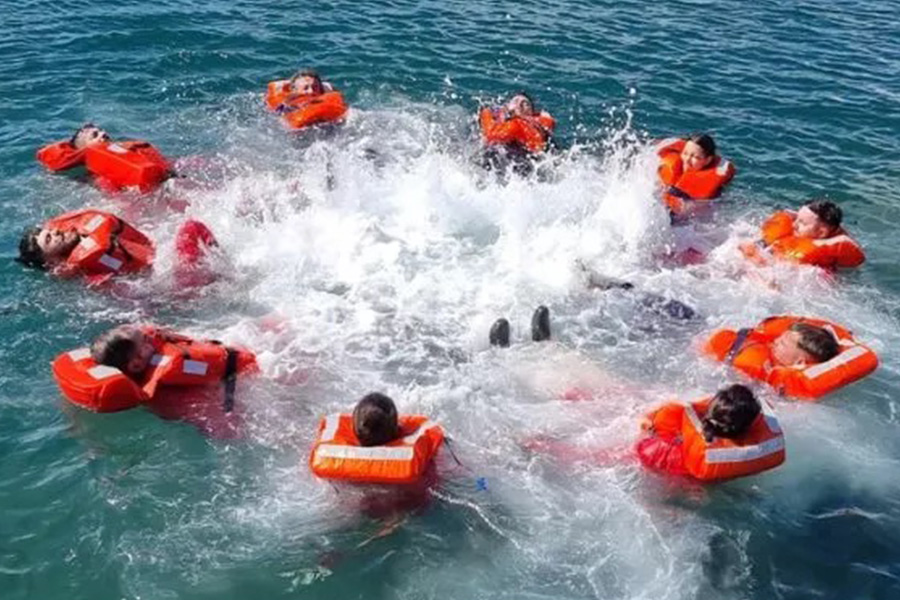
GWO Sea Survival
https://stiertrainingservices.com/gwo-training/gwo-sea-survival/
These modules teach technicians how to safely perform tasks while working at height and in confined turbine spaces.
GWO Basic Safety Training Packages

To make training more convenient, Stier Training Services offers packages that combine the required safety modules.
GWO Basic Safety Training (BST) Onshore Package
This package includes the four core safety modules required for technicians working at land-based wind farms.
https://stiertrainingservices.com/gwo-training/gwo-basic-safety-training-bst-onshore-package/
GWO Basic Safety Training (BST) Offshore Package
Technicians working offshore must also complete Sea Survival training.
This course includes:
- All BST modules
- GWO Sea Survival
https://stiertrainingservices.com/gwo-training/gwo-basic-safety-training-bst-offshore-package/
Offshore Wind Safety Training
Technicians working offshore must understand marine safety procedures and emergency response situations.
GWO Sea Survival
This course prepares technicians for emergencies such as:
- Vessel evacuation
- Helicopter transfer emergencies
- Water survival situations
https://stiertrainingservices.com/gwo-training/gwo-sea-survival/
Keeping Your Certification Up to Date
GWO certifications must be renewed periodically to ensure workers remain compliant with safety standards.
GWO Basic Safety Training Refresher (BSTR)
Refresher courses update technicians on safety procedures and practical skills and are taken every 2 years.
Onshore Refresher Training
Offshore Refresher Training
Advanced Wind Technician Training

As technicians gain experience, many choose to pursue specialised training to expand their career opportunities.
Some commonly pursued certifications include:
- GWO Basic Technical Training (BTT)
- GWO Advanced Rescue Training (ART)
- GWO Enhanced First Aid (EFA)
- GWO Slinger Signaller (SLS)
- GWO Service Lift User (SLU)
These qualifications allow technicians to specialise in areas that are in high demand across the wind industry.
Career Progression in the Wind Energy Industry
The wind energy sector offers clear opportunities for career advancement.
A typical progression path may include:
Wind Turbine Technician > Senior Technician > Lead Technician > Site Supervisor > Operations Manager > Project Manager
Technicians may also specialise in areas such as:
- High Voltage Authorised Person
- Blade Repair Specialist
- Commissioning Engineer
- Technical Trainer
With additional training and experience, technicians may find opportunities to work on wind projects around the world.
Why Train with Stier Training Services
Stier Training Services, part of the Wind Asia Group, provides internationally recognised training that follows Global Wind Organisation standards.
Benefits include:
- Certified GWO instructors
- Hands-on safety training environments
- Courses recognised across the global wind industry
- Training designed for both onshore and offshore technicians
Technicians who complete GWO training can pursue careers on wind farms across Europe, Asia and North America.
Getting Started in the Wind Energy Industry
The shift toward renewable energy is creating strong demand for skilled wind turbine technicians worldwide.
This career offers:
- Stable job opportunities
- Competitive salaries
- The chance to work internationally
For most aspiring technicians, the first step is completing GWO-certified safety training.
Begin your training journey with GWO Basic Safety Training
https://stiertrainingservices.com/gwo-training/
Frequently Asked Questions
What qualifications do you need to become a wind turbine technician?
Most employers require GWO Basic Safety Training (BST) along with a mechanical or electrical background.
Is wind turbine technician training difficult?
The role is physically demanding and requires working at height, but proper GWO training prepares technicians to work safely.
How long does GWO training take?
Basic Safety Training typically takes 4–5 days, depending on the course package.
Can wind technicians work offshore?
Yes. Offshore technicians must complete additional training such as GWO Sea Survival.