Not many people grow up thinking, “I want to work in the middle of the ocean lifting heavy equipment.”
But that is exactly what offshore riggers do.
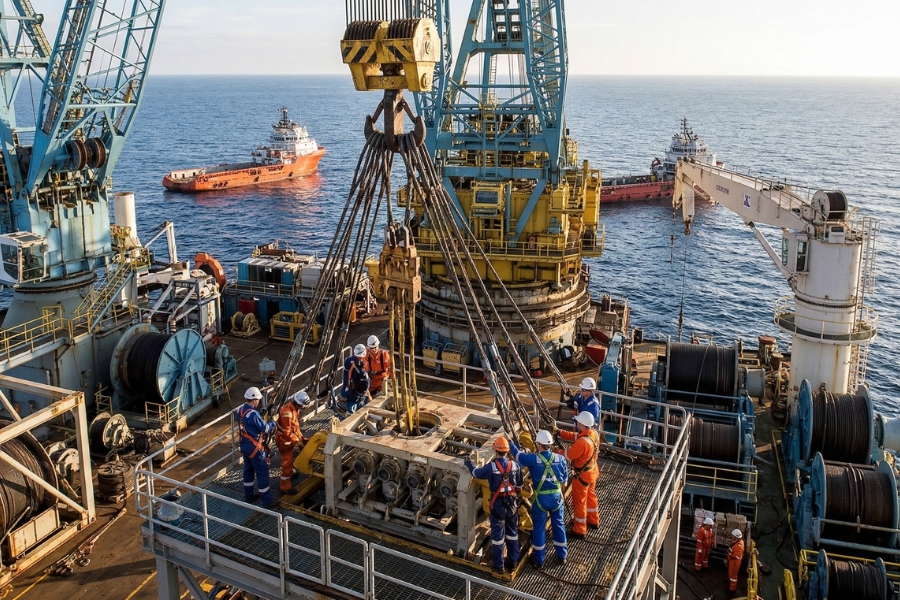
These workers are part of specialised crews responsible for lifting and moving massive pieces of equipment on offshore energy sites. Think oil platforms, installation ships and even offshore wind turbines.
If something weighing several tonnes needs to be lifted safely at sea, there’s usually a rigging team involved.
For people who enjoy hands-on work, teamwork and the opportunity to work overseas, offshore rigging remains as an intriguing career choice. The pay is competitive, the work is technical and it presents job opportunities for you in different parts of the world.
So, What Does an Offshore Rigger Actually Do?
At its core, rigging is about making sure heavy lifting operations happen safely.
Offshore sites rely heavily on cranes to move equipment around. But cranes cannot simply hook onto a load and start lifting. Every lift has to be prepared carefully so that the weight is balanced and the equipment is secured.
That’s where offshore riggers come in.
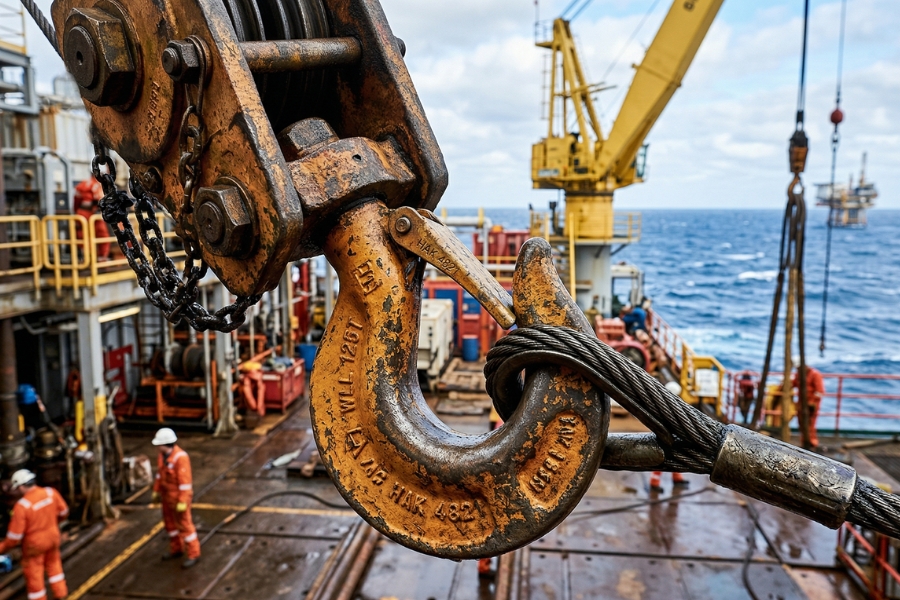
They attach specialised lifting gear such as slings, shackles, and chains to equipment, then guide the load while it is being lifted by a crane.
These lifts take place on various offshore structures including:
- Oil platforms – structures at sea used to drill and produce oil and gas
- Floating Production Storage and Offloading vessels (FPSOs) – ships that process and store oil offshore before transferring it to tanks
- Installation vessels – ships used to install heavy offshore infrastructure
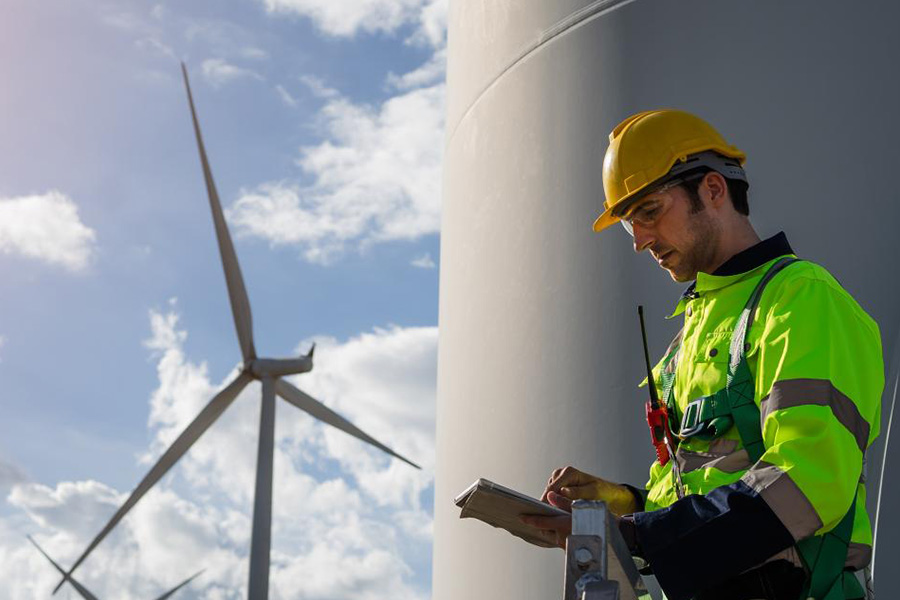
- Offshore wind turbine sites – where large turbine components are lifted into place
Because offshore environments are unpredictable, riggers also need to pay attention to weather conditions such as wind speed and wave movement.
A single lift might involve coordination between crane operators, lifting supervisors and multiple riggers on deck.
Starting a Career as an Offshore Rigger
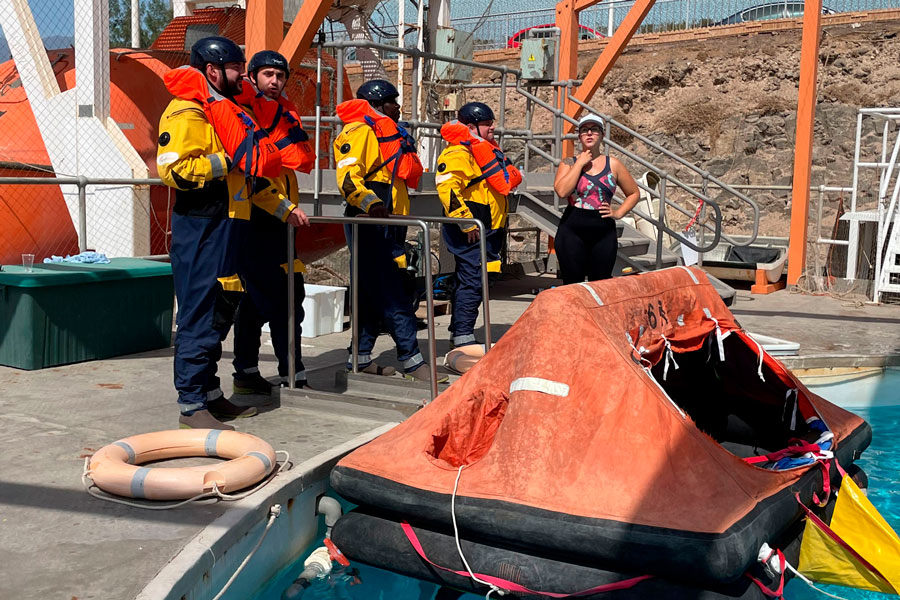
For those looking to break into the offshore industry, one of the most recognised entry pathways is OPITO Rigger Initial Training, which teaches the core principles of safe rigging and lifting operations.
You can explore the course here:
OPITO Rigger Initial Training
https://stiertrainingservices.com/opito-training/opito-rigger-initial-training/
Training providers such as Stier Training Services offer these courses through structured classroom learning and hands-on practical exercises.
Daily Responsibilities of an Offshore Rigger
A typical offshore rigger’s work revolves around planning and executing safe lifting operations.
Daily responsibilities may include:
- Coordinating lift plans with the lifting supervisor and crane operator
- Inspecting lifting gear such as slings, shackles, and rigging equipment
- Attaching and securing loads for crane lifts
- Guiding loads using tag lines during crane lifts
- Ensuring lifts follow approved lifting loans and safety procedures
- Attending toolbox meetings and safety briefings before operations begin
Riggers must also monitor environmental conditions such as wind speeds, wave height and deck movement, all of which can affect the safety of lifting operations.
Because offshore lifting tasks involve large loads and tight spaces, riggers need strong communication skills, situational awareness and teamwork.
Offshore Rigger Salary and Earning Potential
One of the biggest attractions of offshore careers is the earning potential.
Although salaries vary depending on experience, project location, and employer, offshore riggers generally earn competitive pay compared to many land-based roles.
Typical salary ranges include:
Entry-Level Offshore Rigger
EUR €35,000 – €50,000 per year
Experienced Offshore Rigger
EUR €60,000 – €90,000+ per year
Supervisory Roles
Experienced lifting supervisors or appointed persons can earn €100,000+ annually.
Many offshore workers operate on rotational schedules such as 28 days offshore / 28 days onshore, allowing significant time off between rotations.
With experience, riggers can also move into specialised roles such as:
- Freelance offshore instructors
- Offshore training coaches
- Lifting consultants for large energy projects
Day rates for experienced professionals on international projects can be particularly attractive.
Where Offshore Riggers Work Around the World

Rigging skills are highly transferable, which means experienced offshore workers often find opportunities across multiple regions and industries.
Common offshore work locations include:
FPSOs (Floating Production Storage and Offloading vessels)
These floating oil production units are widely used in regions where building permanent offshore platforms is not practical.
You can find these vessels in regions such as West Africa, South America, and Southeast Asia.
Offshore Drilling Rigs
Drilling rigs are used to drill wells beneath the ocean floor to extract oil and gas. They can be mobile drilling units such as jack-up rigs and semi-submersible rigs.
These rigs are commonly found in regions such as the North Sea, Middle East, West Africa and Asia-Pacific.
Offshore Platforms
Fixed production platforms are permanent offshore structures used to extract oil and gas.
The platforms are commonly found in major producing regions such as the North Sea, Southeast Asia, the Gulf of Mexico, and the Middle East.
Wind Turbine Installation Vessels (WTIVs)
As offshore wind energy expands globally, riggers are increasingly required for:
- Turbine installation
- Foundation lifting
- Heavy component positioning
Heavy Engineering and Fabrication Yards
Before offshore structures are installed at sea, they are often assembled in large fabrication yards.
These construction environments also require experienced rigging teams for large-scale lifting operations.
Training Required to Become an Offshore Rigger
The offshore oil and gas industry relies heavily on OPITO standards. These training standards ensure offshore workers are trained consistently and safely across the global industry.
To begin a career as an offshore rigger, several key courses are typically required.
You can explore the full list of programs offered by Stier Training Services here:
https://stiertrainingservices.com/opito-training/
Core Offshore Safety Training
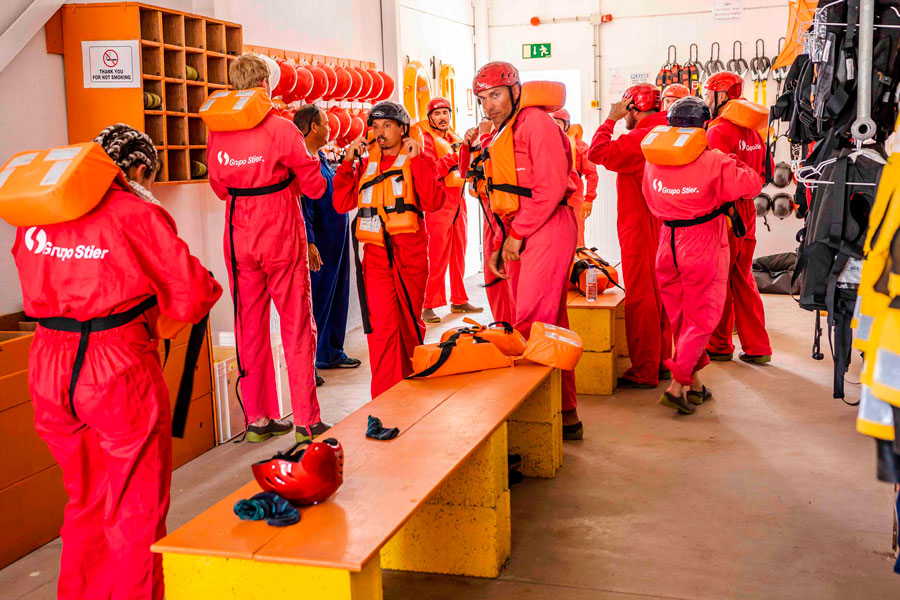
Before working offshore, personnel must complete emergency safety training.
OPITO BOSIET with EBS / CA-EBS
Basic Offshore Safety Induction and Emergency Training prepares personnel for offshore emergencies including:
- Helicopter evacuation
- Sea survival
- Fire response
- Emergency procedures
Relevant courses include:
https://stiertrainingservices.com/opito-training/opito-bosiet-with-ebs-ca-ebs/
https://stiertrainingservices.com/opito-training/opito-bosiet-combined/
Workers must periodically renew this training through refresher programs such as:
https://stiertrainingservices.com/opito-training/opito-foet-with-ebs-ca-ebs/
Helicopter Safety Training
Helicopters are the most common transport method used to move personnel to offshore platforms.
Because of this, workers must learn how to respond if a helicopter lands in water during an emergency.
OPITO HUET with EBS / CA-EBS
Helicopter Underwater Escape Training teaches workers how to safely escape from a helicopter that has ditched in water.
https://stiertrainingservices.com/opito-training/opito-huet-with-ebs-ca-ebs/
Additional related safety training includes:
- OPITO CA-EBS
- Escape Chute Training
These courses prepare workers for emergency evacuation scenarios.
Hazard Awareness Training
Some offshore drilling environments contain hazardous gases that can be extremely dangerous.
OPITO Basic H2S Training
Hydrogen Sulfide (H2S) is a highly toxic gas found in many oil and gas operations.
This course teaches workers how to:
- Detect H2S gas
- Respond to gas alerts
- Evacuate safely during exposure incidents
https://stiertrainingservices.com/opito-training/opito-basic-h2s-training/
Rigging Career Entry Courses
To start a career as an offshore rigger, specialised rigging training is required.
OPITO Rigger Initial Training
This entry-level course teaches the fundamental principles of safe rigging operations.
Topics typically include:
- Rigging principles
- Lifting equipment inspection
- Load control and communication
- Safe lifting operations
https://stiertrainingservices.com/opito-training/opito-rigger-initial-training/
Supporting Rigging Roles
Many offshore lifting operations also require banksman personnel who coordinate crane movement and assist with load control.
OPITO Banksman and Slinger Initial Training
Banksman Slingers are responsible for:
- Directing crane movements
- Attaching loads to lifting equipment
- Guiding crane operators during lifts
https://stiertrainingservices.com/opito-training/opito-banksman-and-slinger-initial-training/
Competency and Career Progression Training
Once workers gain offshore experience, they can progress through competency-based assessments.
OPITO Rigger Competence Assessment / Reassessment
This certification confirms that a worker can perform rigging duties safely in real offshore environments.
https://stiertrainingservices.com/opito-training/opito-rigger-competence-assessment-reassessment/
OPITO Banksman and Slinger Competence Assessment / Reassessment
This assessment verifies competence in directing lifting operations and managing crane communication.
Offshore Rigger Career Path
The offshore industry offers a structured pathway for career progression.
Typical career progression
Rigger > Advanced Rigger > Lifting Supervisor > Appointed Person > Crane Operator >Offshore Construction Supervisor
Each step requires additional training, documented work experience, and competency verification.
Continuous professional development helps increase both earning potential and opportunities to work internationally.
Why Train with Stier Training Services (Wind Asia Training Group)
For those looking to begin a career in offshore rigging, choosing the right training provider is essential.
Stier Training Services, part of the Wind Asia Training Group, provides internationally recognised training programs aligned with OPITO standards.
Key benefits include:
- OPITO-approved training courses
- Experienced instructors from offshore industry backgrounds
- Hands-on practical training environments
- Courses designed to meet global offshore industry requirements
Start Your Offshore Rigger Career
The offshore energy industry continues to expand across oil and gas, offshore wind, and heavy engineering projects worldwide.
For individuals seeking a technical career with international opportunities, offshore rigging offers:
• Competitive salaries
• Global job mobility
• Structured career progression
The first step is obtaining recognised OPITO-certified training.
Begin your journey where:
https://stiertrainingservices.com/opito-training/opito-rigger-initial-training/
Frequently Asked Questions
What qualifications do you need to become an offshore rigger?
Most workers start with OPITO Rigger Initial Training, along with offshore safety courses such as OPITO BOSIET.
How long does OPITO Rigger Initial Training take?
The entry-level OPITO Rigger Initial Training is delivered over three days and includes both theory and practical training.
Is offshore rigging a good career?
Yes. Offshore riggers earn competitive salaries and have opportunities to work internationally across multiple energy sectors.
Can riggers work in offshore wind as well as oil and gas?
Yes. The lifting skills required are transferable to offshore wind turbine installation vessels and renewable energy projects.