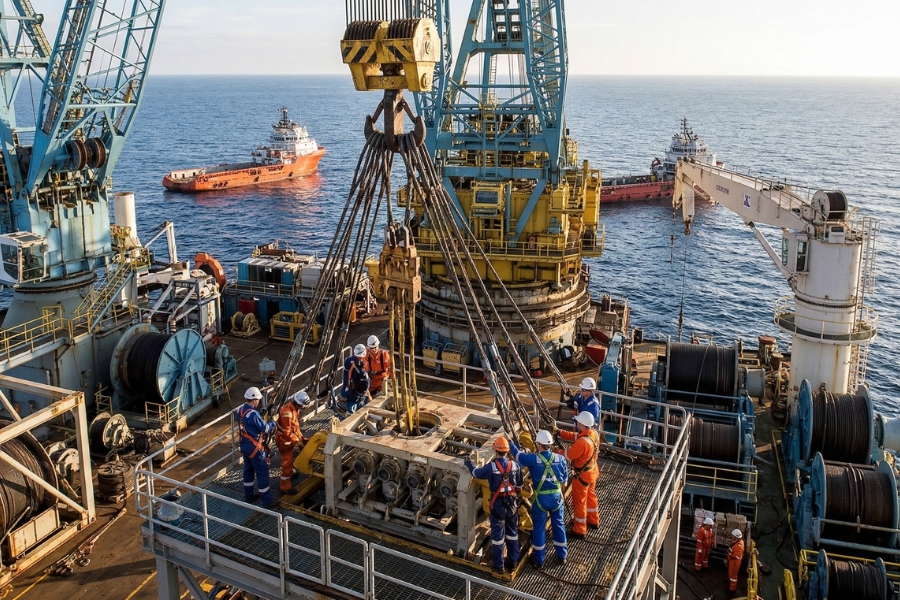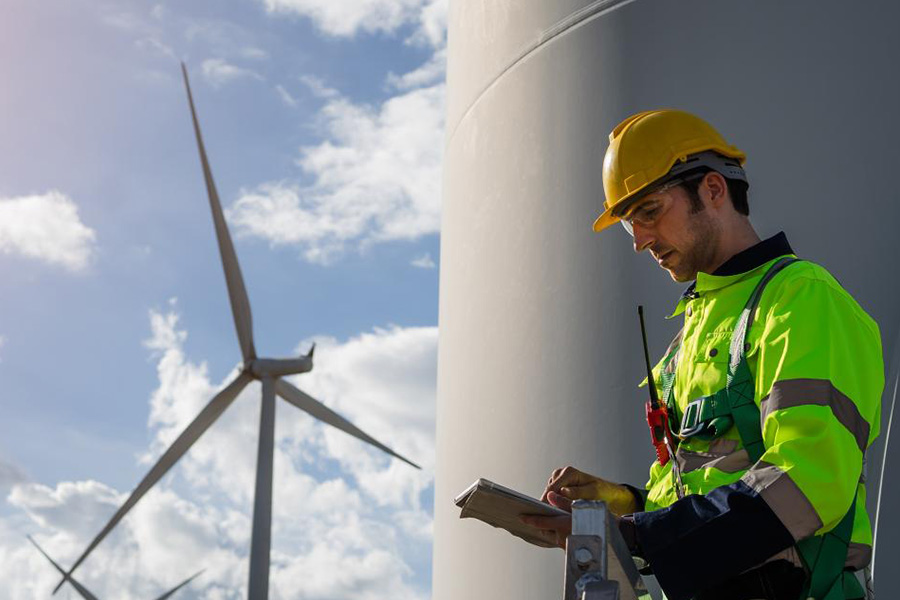
Starting a career at sea isn’t as simple as stepping onto a ship and getting to work.
Before anyone can work onboard commercial vessels, cruise ships, offshore support ships or superyachts, they must first complete internationally recognised safety training. One of the most important of these certifications is STCW Basic Maritime Safety Training (BST).
The STCW Basic Maritime Safety Training (BST) course equips seafarers with the essential safety knowledge and emergency response skills needed to work onboard commercial vessels, cruise ships, offshore support vessels and superyachts.
At Stier Training Services in Las Palmas, Gran Canaria, maritime professionals from across Europe, Africa and international shipping routes complete internationally recognised STCW training courses before beginning their careers at sea.
Learn more about the course:
https://stiertrainingservices.com/stcw-training/basic-maritime-safety-training-fbs/
What is STCW Basic Maritime Safety Training (BST)?
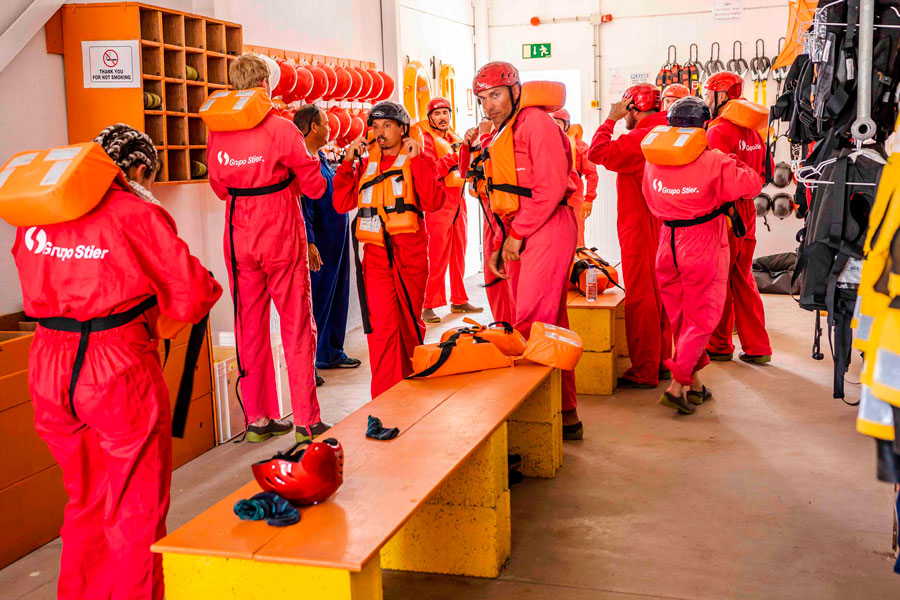
STCW Basic Maritime Safety Training (BST) forms the foundation of professional maritime training worldwide.
STCW stands for Standards of Training, Certification and Watchkeeping, an international convention that sets minimum safety and training requirements for seafarers. The convention was established to ensure that crew members working on ships have the knowledge and skills required to respond safely in emergencies.
Because working at sea can involve unpredictable conditions, strict safety standards are essential. Crew members may be required to react quickly to fires, accidents, evacuations or medical situations while far from shore.
The STCW Basic Maritime Safety Training programme prepares seafarers for these scenarios by teaching the essential safety skills required onboard vessels.
For most maritime careers, STCW certification is a mandatory requirement before joining a vessel.
Many professionals searching for STCW Training in Las Palmas Gran Canaria complete their certification at Stier Training Services before starting work on international shipping routes.
The Basic Maritime Safety Training course focuses on preparing seafarers to respond effectively to emergency situations and maintain safe working practices onboard vessels.
The training programme is divided into four core modules.
Module 1 – Sea Survival in the Event of Abandoning the Ship
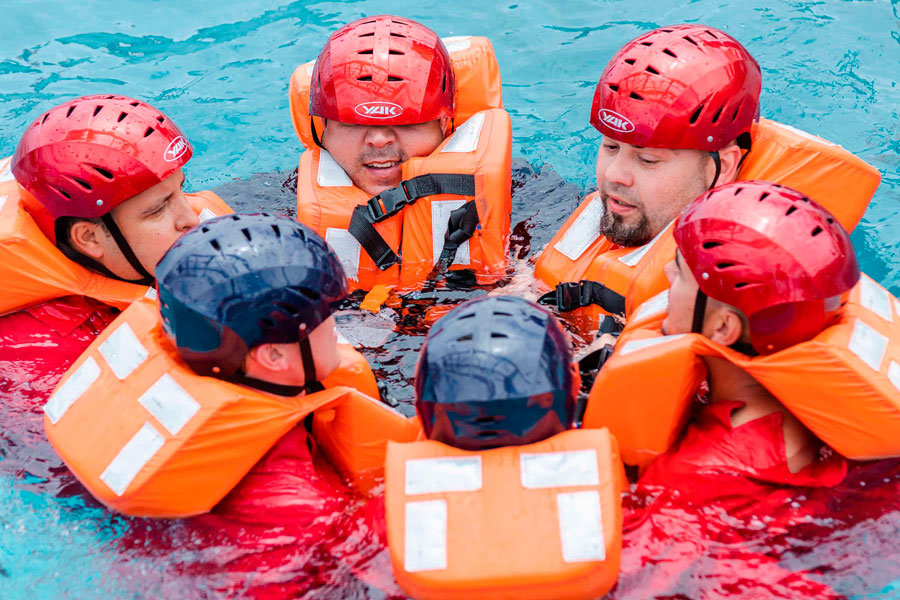
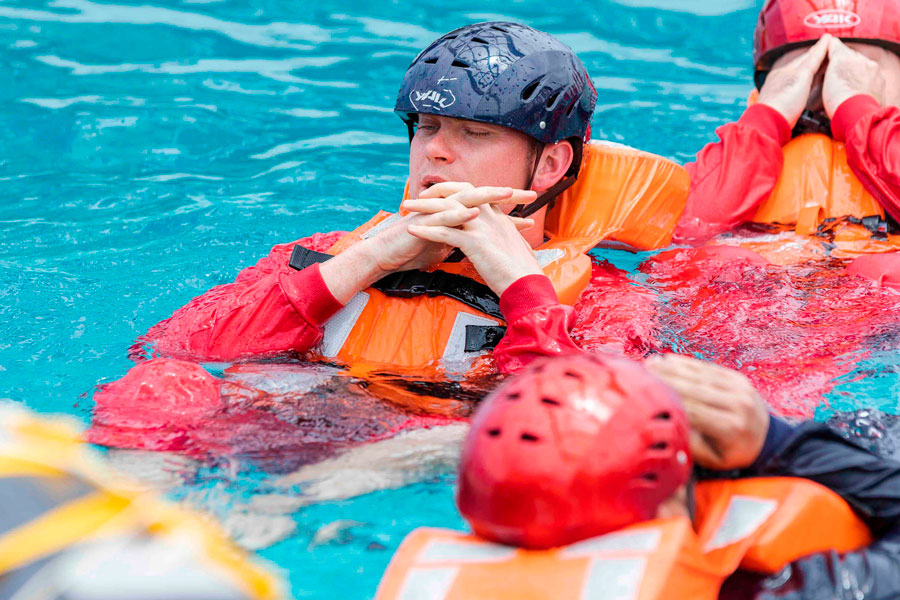
In rare situations where a vessel must be evacuated, crew members need to know how to survive until rescue arrives.
This module teaches essential survival techniques, including:
- How to abandon ship safely
- Correct use of life jackets and immersion suits
- Deploying and boarding life rafts
- Surviving in open water until rescue arrives
Participants also gain practical experience using life-saving equipment in controlled training environments.
Module 2 – Fire Prevention and Firefighting
Fire is one of the most dangerous hazards onboard any vessel.
Ships contain fuel, electrical systems, and confined spaces where fires can spread quickly if not controlled immediately.
This module teaches participants how to:
- Recognise fire risks onboard vessels
- Prevent fire hazards from developing
- Use firefighting equipment correctly
- Respond to emergency fire situations on ships
Practical firefighting exercises are often included as part of the training.
Module 3 – Adoption of Minimum Competence Standards in First Aid
Medical emergencies can occur at sea where professional medical assistance may not be immediately available.
Participants learn how to:
- Provide immediate medical assistance
- Treat injuries and stabilise casualties
- Respond to common onboard accidents
These skills help ensure crew members can provide initial care until professional medical support becomes available.
Module 4 – Workplace Safety and Social Responsibilities
Safety onboard a vessel relies heavily on teamwork and communication.
This module focuses on the responsibilities crew members have when working together in confined environments at sea.
Participants learn about:
- Safe working practices at sea
- Understanding responsibilities as a crew member
- Communication and teamwork onboard vessels
- Accident prevention and risk awareness
Together, these modules form the core safety competencies required for maritime professionals under STCW regulations.
Who Needs STCW Basic Maritime Safety Training?
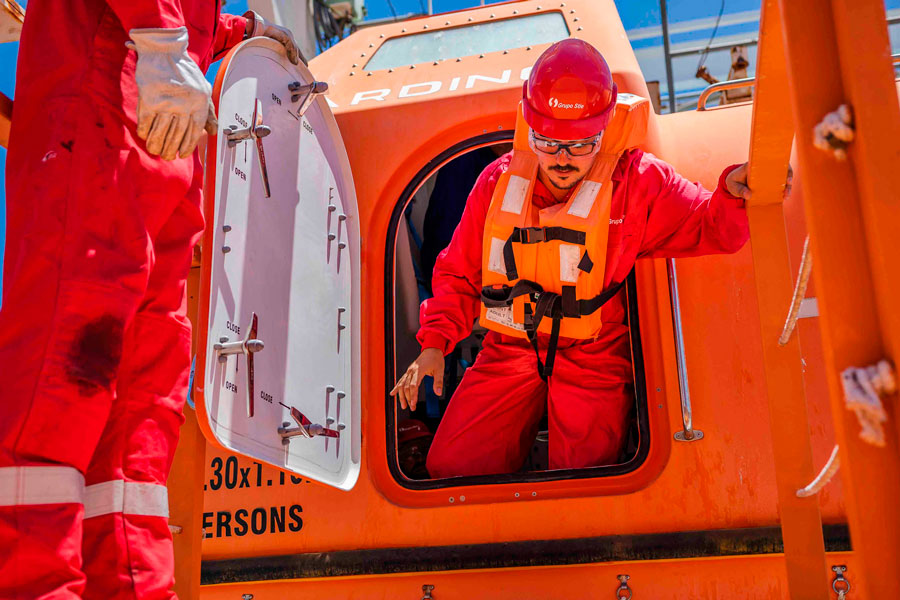
The BST course is required for anyone starting a maritime career.
Participants typically include individuals preparing for roles such as:
- Merchant navy crew
- Cruise ship employees
- Superyacht crew
- Offshore vessel personnel
- Maritime engineering trainees
- Cruise ship employees
For many of these roles, STCW certification is required before crew members can legally work onboard vessels.
Professionals searching for STCW Formación Las Palmas Gran Canaria España often complete their certification locally before joining international shipping companies.
Why Take STCW Training in Las Palmas, Gran Canaria?
Las Palmas is one of the most important maritime ports in the Atlantic and serves as a major hub for international shipping.
Its strategic location connects maritime routes between:
- Europe
- West Africa
- South America
Because vessels regularly pass through this region, many seafarers choose to complete STCW Training in Las Palmas Gran Canaria before joining vessels operating worldwide.
Stier Training Services provides internationally recognised maritime training at its centre located close to the Port of Las Palmas, making it convenient for seafarers preparing to begin work onboard vessels.
View the course information here:
https://stiertrainingservices.com/stcw-training/basic-maritime-safety-training-fbs/
How Long Does STCW Basic Safety Training Take?
The STCW Basic Maritime Safety Training (BST) course combines classroom instruction with practical training exercises. The course is delivered over five days.
Participants must demonstrate both theoretical knowledge and practical competence in each module before receiving certification.
After successful completion, the certification allows seafarers to begin working onboard vessels operating internationally. Certification lasts for 5 years and must be refreshed by taking the STCW Basic Safety Training Refresher (BSTR) course.
Career Opportunities After STCW Training
Completing STCW Basic Maritime Safety Training opens the door to a wide range of maritime careers.
Examples include:
- Deckhand or ordinary seaman
- Cruise ship crew member
- Superyacht crew
- Offshore vessel crew
- Maritime engineering assistant
With additional training and experience, seafarers can progress into specialised roles such as:
- Marine engineer
- Navigation officer
- Offshore operations crew
- Maritime safety supervisor
Why Choose Stier Training Services?
Stier Training Services has been providing maritime and offshore training programmes for decades.
The training centre in Las Palmas, Gran Canaria offers:
- Internationally recognised STCW certification
- Experienced maritime instructors
- Practical training facilities
- Convenient access near the Port of Las Palmas
These factors make it a preferred destination for seafarers seeking STCW training in Spain.
Book Your STCW Basic Maritime Safety Training
If you are planning to start a maritime career, STCW Basic Maritime Safety Training (BST) is the essential first step.
The course provides the emergency response and safety skills required to work onboard vessels worldwide.
View course details and booking information
https://stiertrainingservices.com/stcw-training/basic-maritime-safety-training-fbs/
Frequently Asked Questions
What is STCW Basic Maritime Safety Training?
It is the foundational safety course required for most seafarers, covering survival techniques, firefighting, first aid and onboard safety procedures.
Where can I take STCW training in Las Palmas?
Yes, you can complete STCW Training in Las Palmas Gran Canaria at accredited training providers such as Stier Training Services.
Is STCW certification recognised internationally?
Yes. STCW certification follows international standards set by the International Maritime Organization and is recognised worldwide.
How long is STCW certification valid?
STCW BST certificates remain valid for five years before refresher training is required.